The testers
Qualified practitioners
Our testers hold postgraduate cyber qualifications, ISC2 certification and ACS and AISA membership.

AI security
Know what the AI tools your staff use can reach, and whether the AI you build holds up when someone attacks it.
The testers
Our testers hold postgraduate cyber qualifications, ISC2 certification and ACS and AISA membership.
Governance
Our CISO holds the Exemplar Global ISO/IEC 27001:2022 Lead Auditor credential.
Our own AI
On iOS, Android and the web, with processing in Australia only.
Overview
Staff adopt AI tools faster than most security or IT policies can track them, from chatbots plugged into business data to AI features built into the products you ship.
We assess what is already in use, run AI penetration testing on AI-backed applications and assistant rollouts for the flaws OWASP catalogues for large language model applications, and prepare your AI governance against ISO 42001 and the Voluntary AI Safety Standard. We also defend against the attacks AI now makes easier: phishing written by a model, and fraud attempted with a cloned voice or a deepfake video call. If you are building the AI feature yourself, our engineering practice designs the guardrails, audit trails and tenant isolation in from the start.
We test your AI systems the way we test everything else, so each finding is one you can act on and show to an assessor.
What the engagement covers
Engagement
Testing and reviews are fixed scope with a defined target. For governance readiness we set milestones against your assessment date.
A tester never assesses a system they built.
One test or review, with the target, timeframe and deliverable set up front.
SMB1001, Essential Eight or ISO 27001, run to your audit date.
Scope
AI security assessment
We find the AI tools already in use across your business and the data they can reach, then write the policy to govern them.
What you get
Delivered work
Our engineers built these AI features, and we still defend them.

Health
Specialists run notes, letters, orders and billing from one app.
Every clinical record, recording and generated document stays in Australia.

Legal
The firm runs intake, conflicts, trust oversight and AML/CTF from one portal.
We also run the firm’s Microsoft 365 tenant.
Product screens shown with sample data.
In service
It will end the process, quarantine the file, isolate the device or sign the user out.
It will flag signs of a stolen account, such as impossible travel or a malicious inbox rule.
Every automatic action will be undoable in one tap.
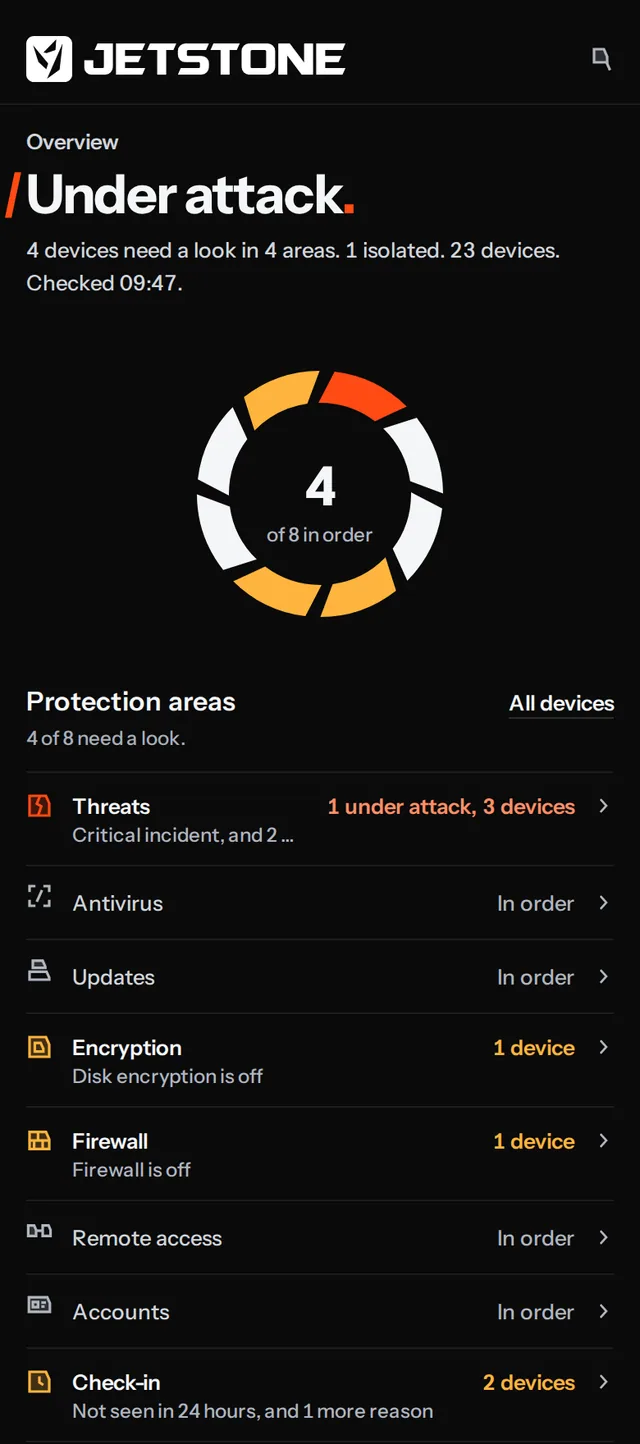
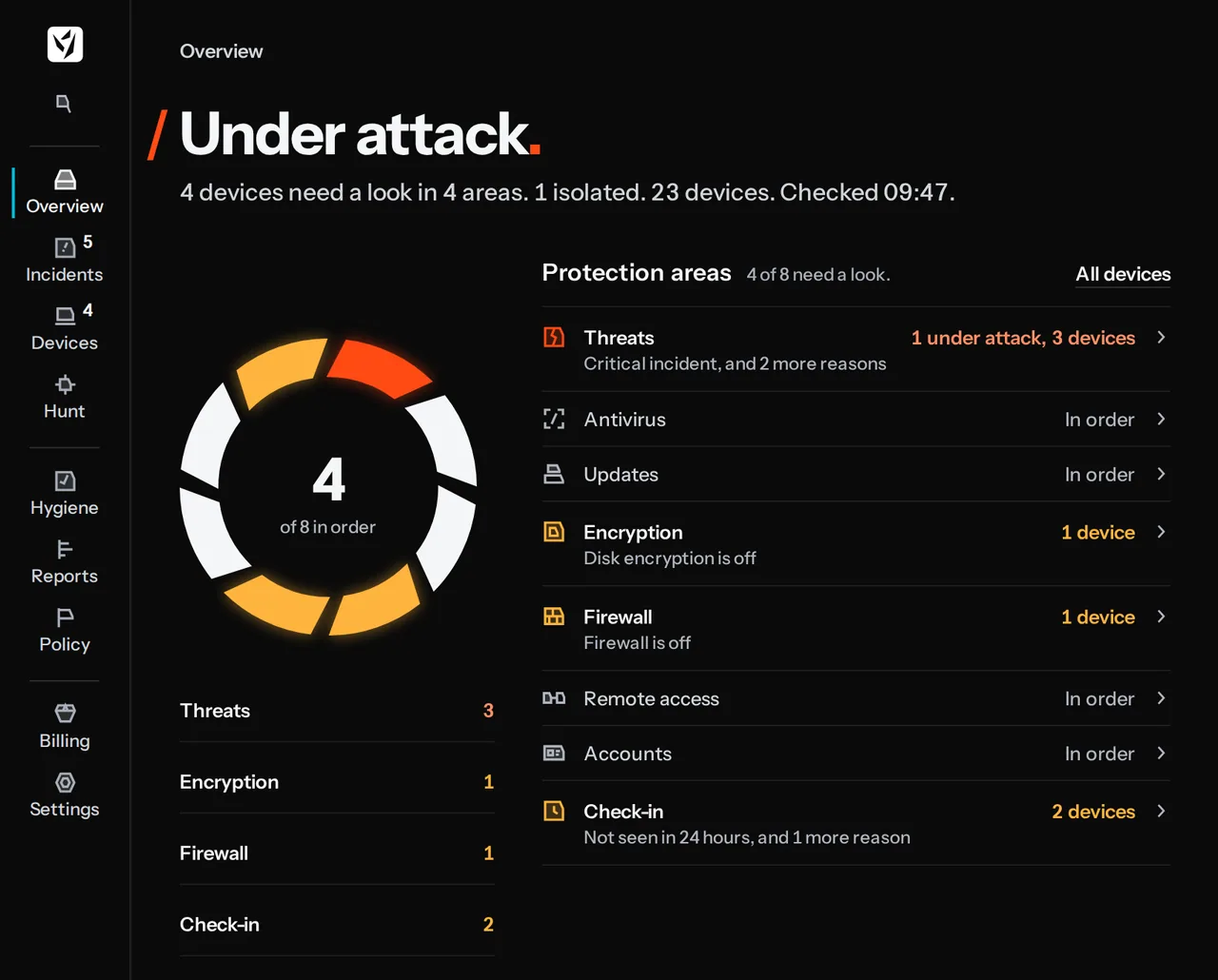
Black Shard engineers. The same team that builds and operates Aurii, our clinical software with production speech-to-text, tests and secures the AI other businesses run.
We start with read access to the application, tenant or environment in scope, and take administrative privilege only where the work demands it. Data is encrypted in transit and at rest, and hosted client data stays in Australian regions.
Six: AI security assessment, AI penetration testing against the OWASP Top 10 for LLM applications, Microsoft Copilot security review, AI governance and ISO 42001 readiness with a Voluntary AI Safety Standard assessment, defence against AI-enabled phishing, deepfake and voice-clone fraud, and secure AI engineering with guardrails, audit trails and tenant isolation.
We set up verification steps for payment and credential requests that hold when the voice or face on a call is a clone. We test your staff with AI-generated phishing and pretext scenarios and report the results per team. We also write the incident playbook.
Yes. Scoping, testing and the debrief all run by video call, wherever you are.
By scope. An AI penetration test or Copilot security review is a fixed-scope engagement with a re-test of agreed fixes. AI governance and ISO 42001 readiness runs as a program with milestones towards the assessment date. We do not publish prices. Send a brief with the AI systems in scope.
Your engineers work from the report. Penetration test and Copilot review reports carry fixes they can apply, with a re-test included. AI governance readiness ends at the audit, and the management-system documentation and evidence trail keep you there afterwards. If you are still building AI features, secure AI engineering carries the same guardrails into the next release.
Go deeper
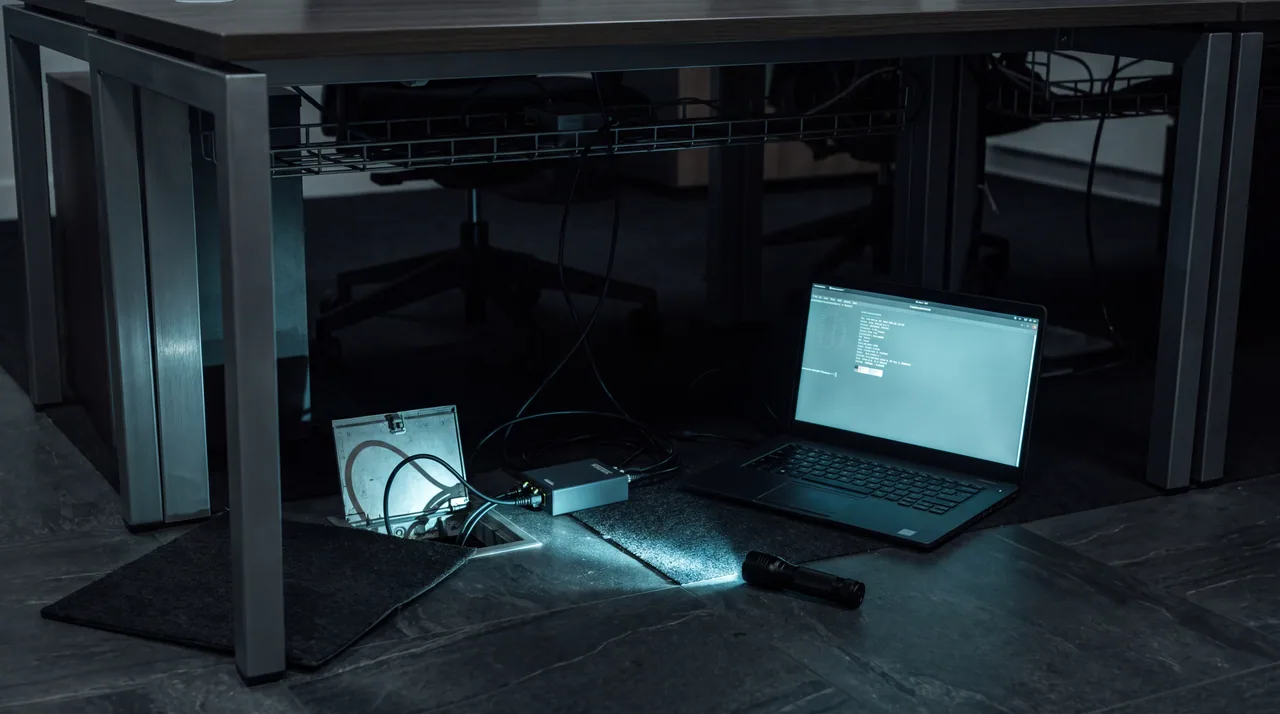
Know what an attacker could reach, with every finding re-tested after the fix.

A named security lead for your board, and a review of your Microsoft 365 and Azure tenant.

We find how they got in, close it and restore what was touched.
From the newsroom